Attractions in Kuala Lumpur – Best Places to Visit for First-Time Travellers

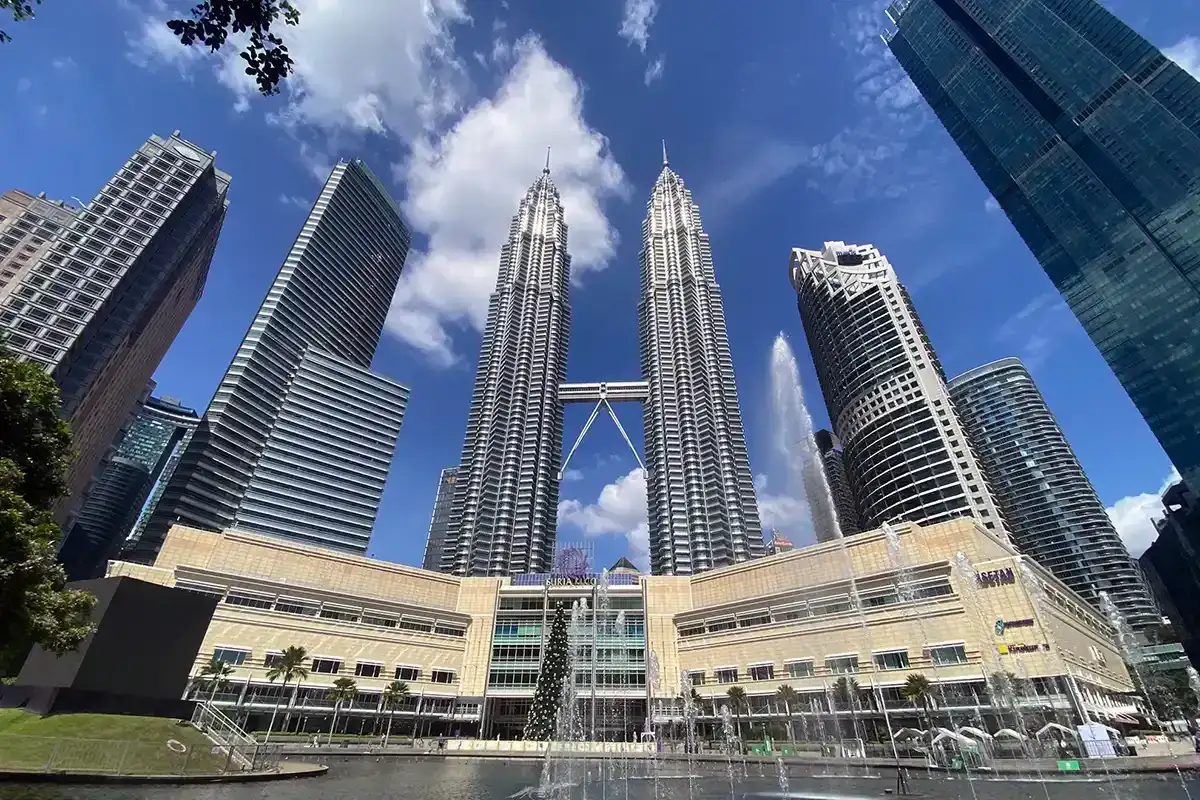
Kuala Lumpur is one of Southeast Asia’s most accessible and rewarding cities for first-time travellers. The city combines modern skyline landmarks, historic colonial sites, cultural temples, vibrant street neighbourhoods and green urban parks — all within relatively short distances of each other.
This page serves as a structured overview of the main attractions in Kuala Lumpur. Rather than listing places randomly, the guide organises the city’s most important landmarks, heritage areas, nature spaces and family-friendly attractions into clear categories to help you understand how they fit within the city’s layout.
If you are still planning your overall trip, this article connects directly with our wider Kuala Lumpur Destination Hub, where you’ll find neighbourhood guides, itineraries and transport advice. For travellers exploring beyond the capital, our Destinations in Malaysia hub shows how Kuala Lumpur links with other popular destinations such as Penang, Langkawi, Cameron Highlands and Malacca.
In the sections below, you will find the city’s most iconic landmarks, cultural attractions, historic districts, parks and family-oriented experiences. Each section is designed to help you prioritise what to see, estimate how much time you need, and plan your sightseeing efficiently without unnecessary backtracking across the city.
Key Takeaways: Attractions in Kuala Lumpur
- Kuala Lumpur combines modern skyscrapers, historic landmarks, cultural temples and urban parks, offering a diverse range of sightseeing experiences within a compact city layout.
- The KLCC area — home to the Petronas Twin Towers, KLCC Park and KL Tower — forms the city’s most concentrated cluster of iconic attractions.
- Batu Caves is one of the most visited cultural landmarks near the city centre and is commonly included in half-day itineraries.
- Heritage districts such as Merdeka Square and Chinatown showcase Kuala Lumpur’s colonial history and multicultural roots.
- Several major attractions, including KLCC Park, Merdeka Square and Batu Caves, are free to visit, making Kuala Lumpur suitable for a wide range of travel budgets.
- Accessibility varies across attractions. Sites with staircases or uneven terrain may require additional planning for visitors with mobility considerations.
Iconic Landmarks in Kuala Lumpur
Certain landmarks define Kuala Lumpur’s identity. These are the most recognisable structures on the skyline and often the first places visitors associate with the city. For first-time travellers, they provide a useful starting point before exploring neighbourhoods, temples, markets, parks and museums.
Below are the three most iconic landmarks that shape the city’s visual and historical character.
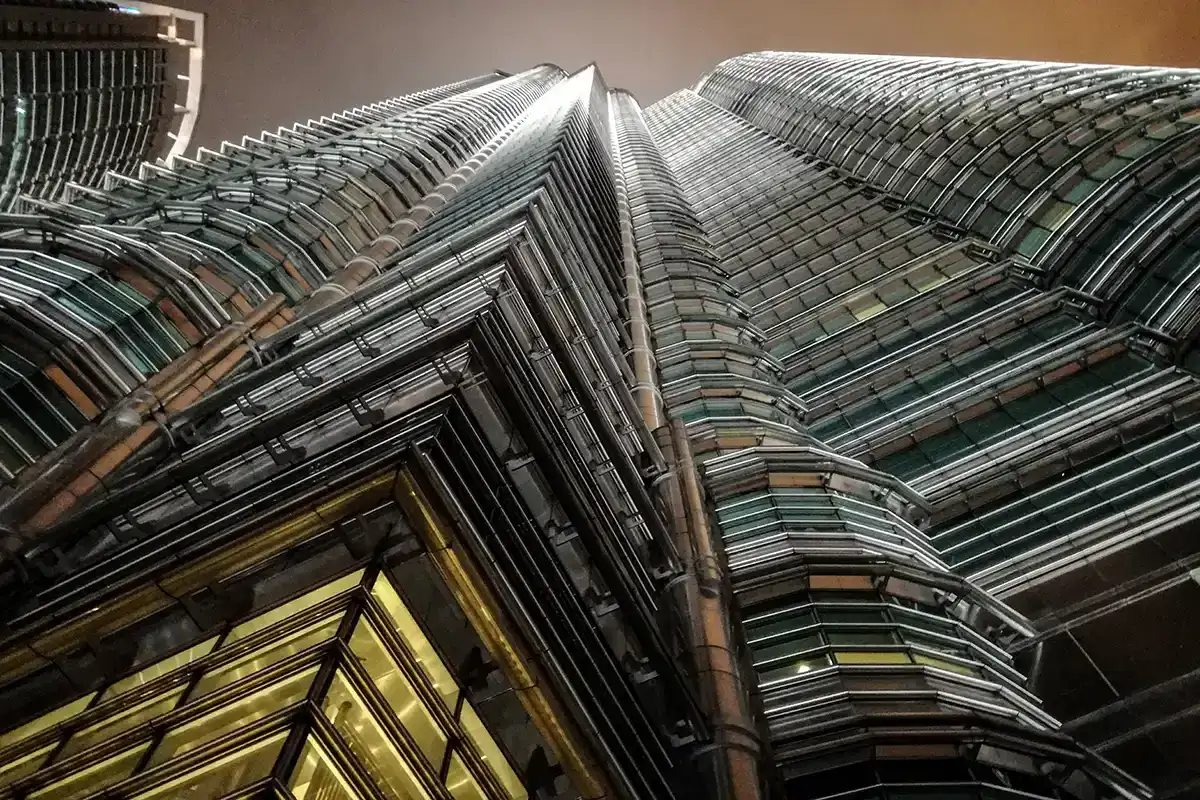
Petronas Twin Towers
The Petronas Twin Towers remain the most famous landmarks in Kuala Lumpur and the centre piece of the KLCC district. They represent the city’s modern ambition and are among the most visited attractions in Kuala Lumpur. Visitors can explore the observation deck or enjoy skyline views from KLCC Park.
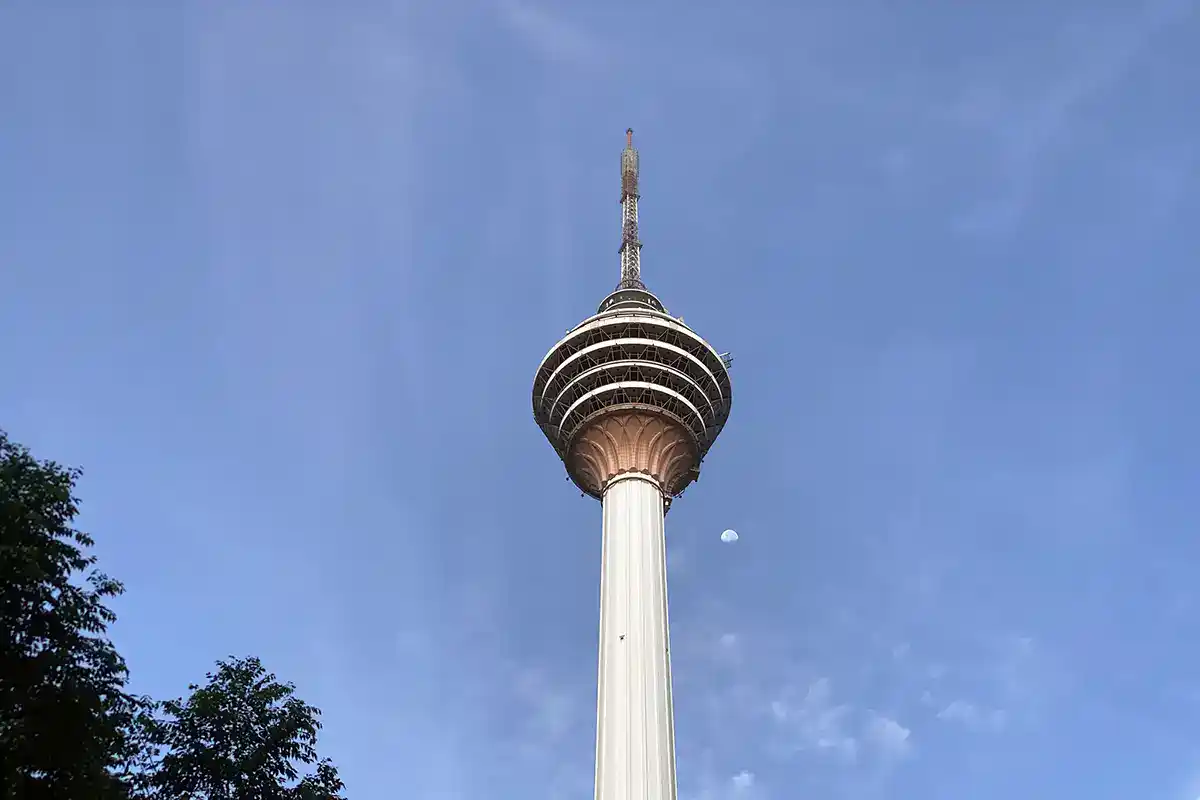
KL Tower (Menara Kuala Lumpur)
KL Tower stands on Bukit Nanas and offers one of the highest public viewing platforms in the city. Unlike the Twin Towers, this landmark allows visitors to see the full skyline from above, making it one of the most popular sightseeing spots in Kuala Lumpur.
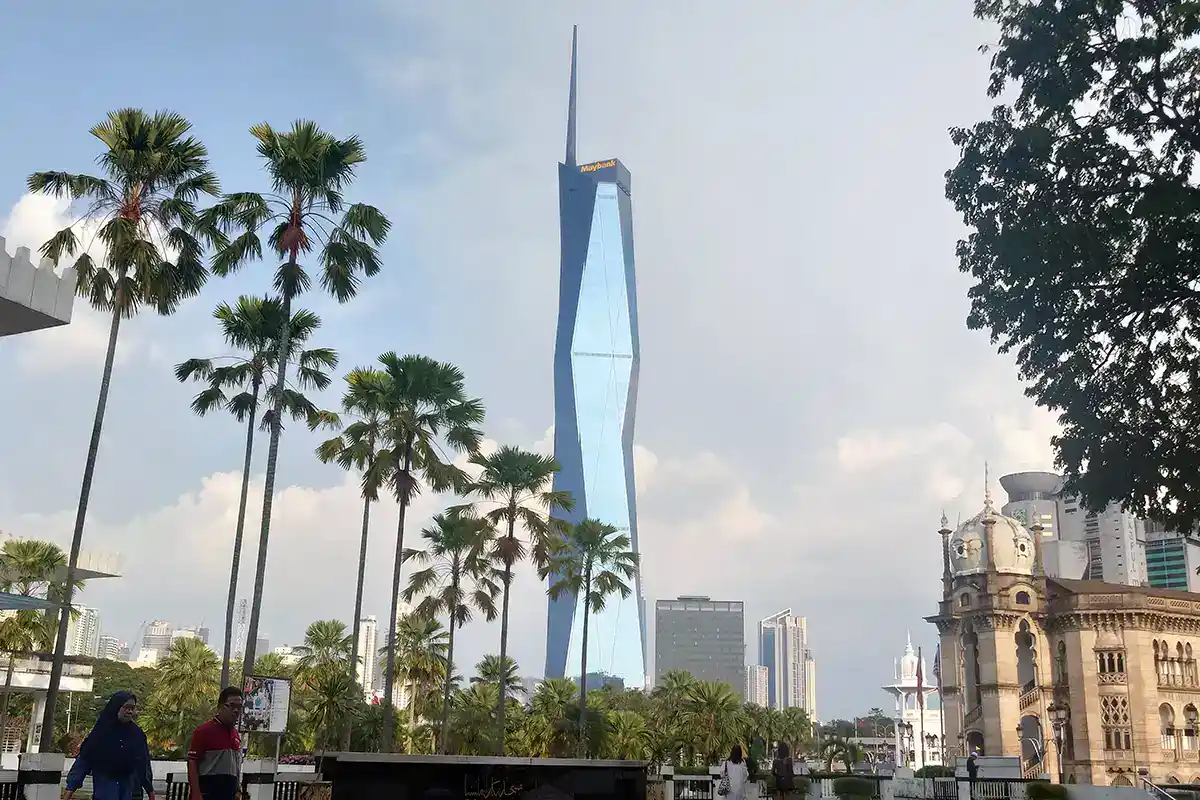
Merdeka 118
Merdeka 118 is one of the tallest buildings in the world and a new symbol of Kuala Lumpur’s evolving skyline. While access for visitors is limited, its presence reshapes the city’s architectural profile and is visible from many key viewpoints.
Major Culture & Heritage Attractions in Kuala Lumpur
Beyond its modern skyline, Kuala Lumpur is shaped by deep cultural and historical layers. The city’s heritage attractions reflect Malay, Chinese, Indian and colonial influences, all within relatively close proximity of each other. For travellers interested in architecture, religion, local communities and historic streetscapes, these cultural landmarks offer a very different perspective from the glass towers of KLCC.
The following sites represent the most significant cultural and heritage attractions in Kuala Lumpur.
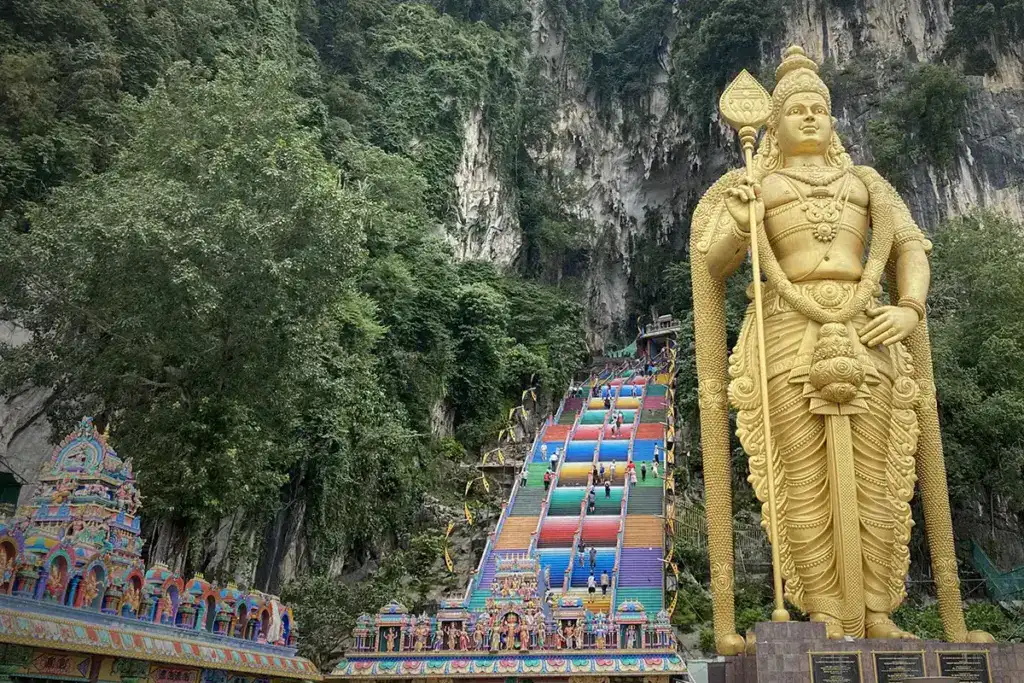
Batu Caves
Located just outside the city centre, Batu Caves is one of the most visited cultural landmarks near Kuala Lumpur. The site is famous for its towering golden statue of Lord Murugan and its steep limestone staircase leading into a cave temple complex. It remains one of the most photographed attractions in the region and is often included in half-day sightseeing itineraries.
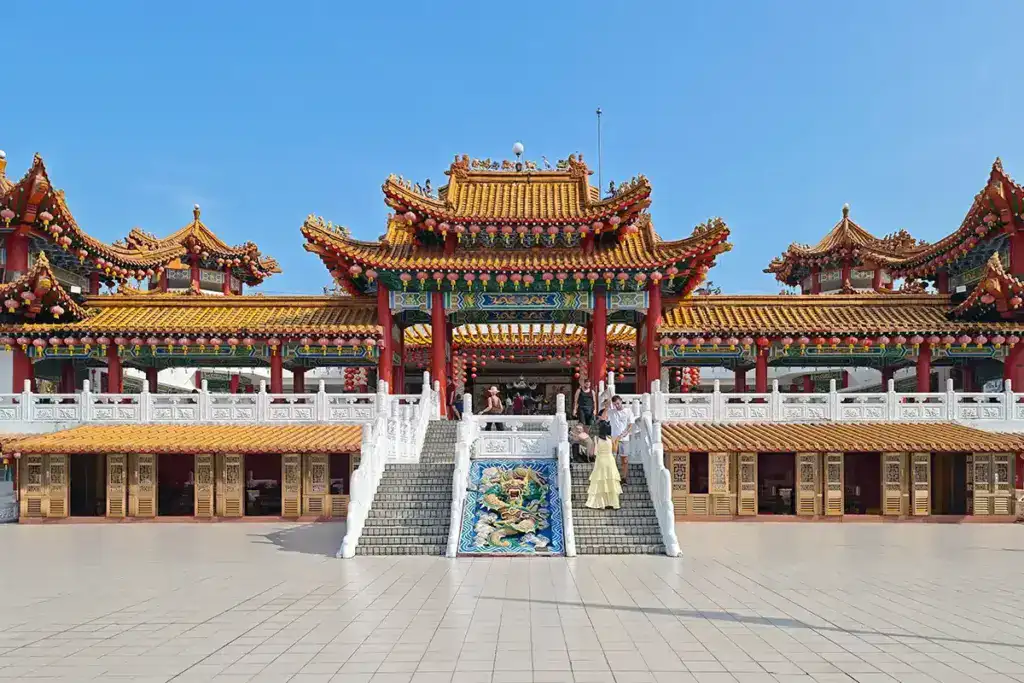
Thean Hou Temple
Perched on a hill overlooking the city, Thean Hou Temple is one of the largest Chinese temples in Southeast Asia. The colourful architecture, decorative lanterns and elevated city views make it both a place of worship and a popular photography location. It offers insight into Kuala Lumpur’s Chinese community and religious traditions.

Chinatwon (Petaling Street)
Chinatown is one of the oldest commercial districts in Kuala Lumpur. Centred around Petaling Street, the area blends street markets, traditional shopfronts and historic temples. It remains one of the most active neighbourhoods for visitors interested in local street culture, affordable shopping and heritage architecture.
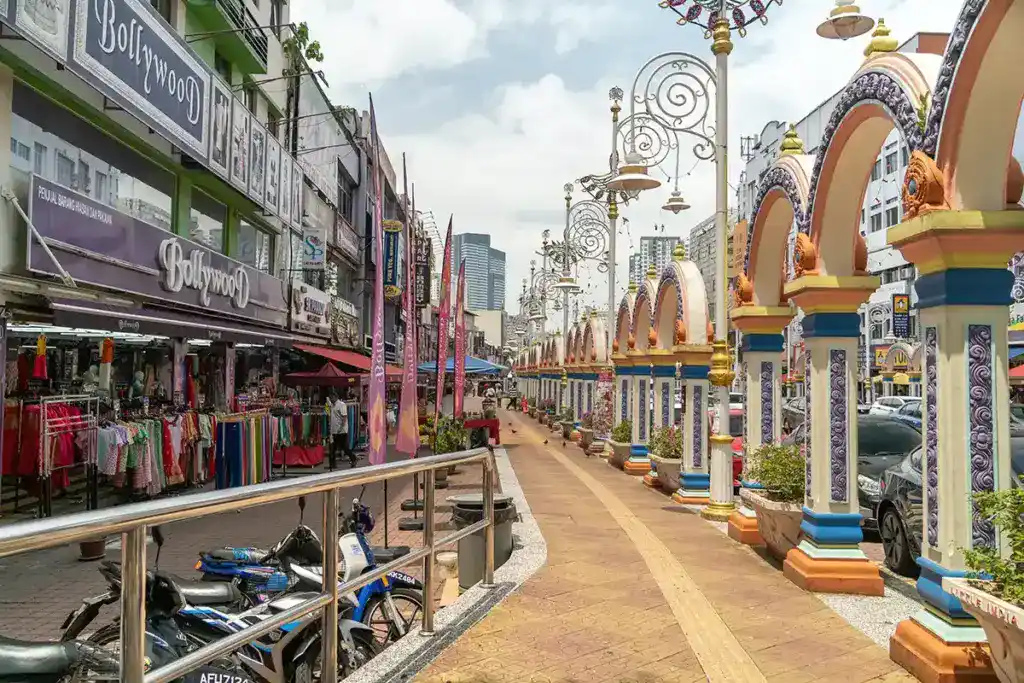
Little India (Brickfield)
Brickfields, commonly known as Little India, highlights Kuala Lumpur’s strong South Indian influence. Colourful shop façades, sari stores, spice shops and Indian restaurants define this district. The area is easily accessible by public transport and offers a vibrant contrast to the city’s modern commercial zones.
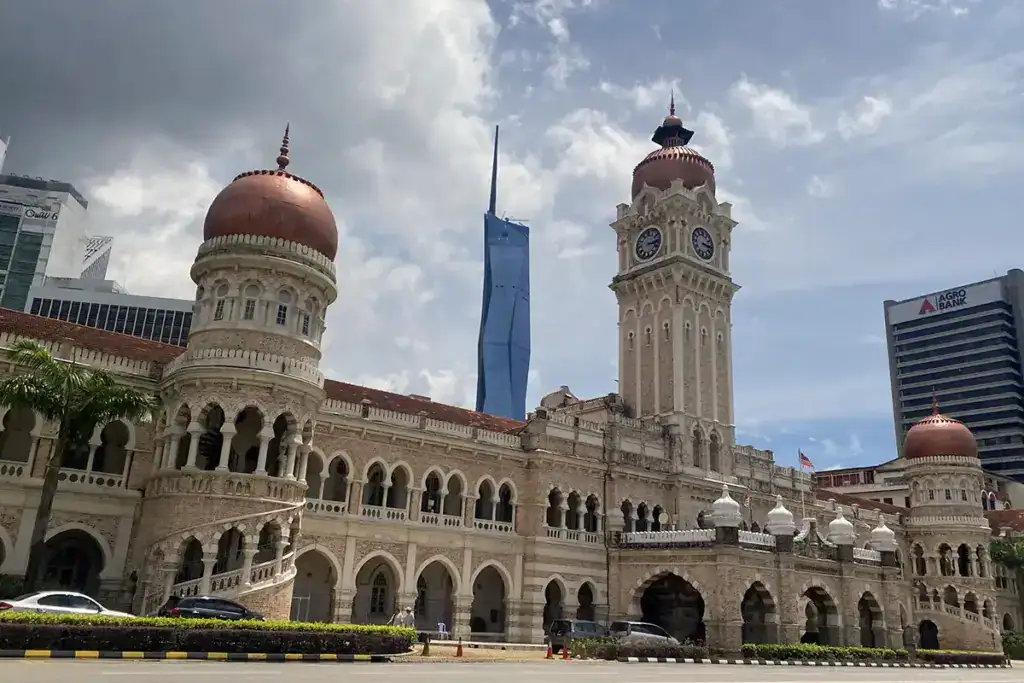
Merdeka Square
Merdeka Square represents the historic heart of Kuala Lumpur. Surrounded by colonial-era buildings and the Sultan Abdul Samad Building, it marks the site where Malaysia declared independence in 1957. The square connects modern Kuala Lumpur with its administrative and colonial past.
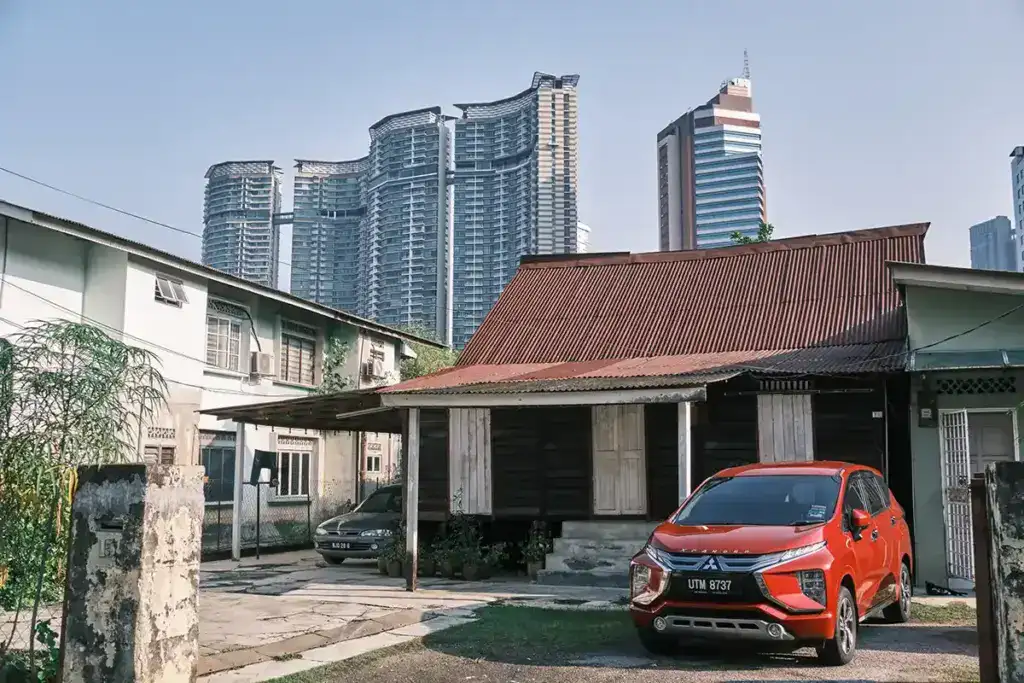
Kampung Baru
Kampung Baru offers a glimpse into traditional Malay village life within the city centre. Wooden houses, local food stalls and quieter residential streets contrast sharply with the nearby skyscrapers of KLCC. Many visitors combine Kampung Baru with KLCC to experience both modern and traditional sides of Kuala Lumpur in a single visit.
Nature & Parks in Kuala Lumpur
Although Kuala Lumpur is known for its skyscrapers, the city also offers several well-maintained green spaces that provide relief from traffic and heat. These parks and nature areas are located close to major attractions, making them easy to include in a half-day or full-day sightseeing plan.
For visitors who prefer quieter surroundings, shaded walking paths or wildlife experiences, these parks add variety to a typical city itinerary.
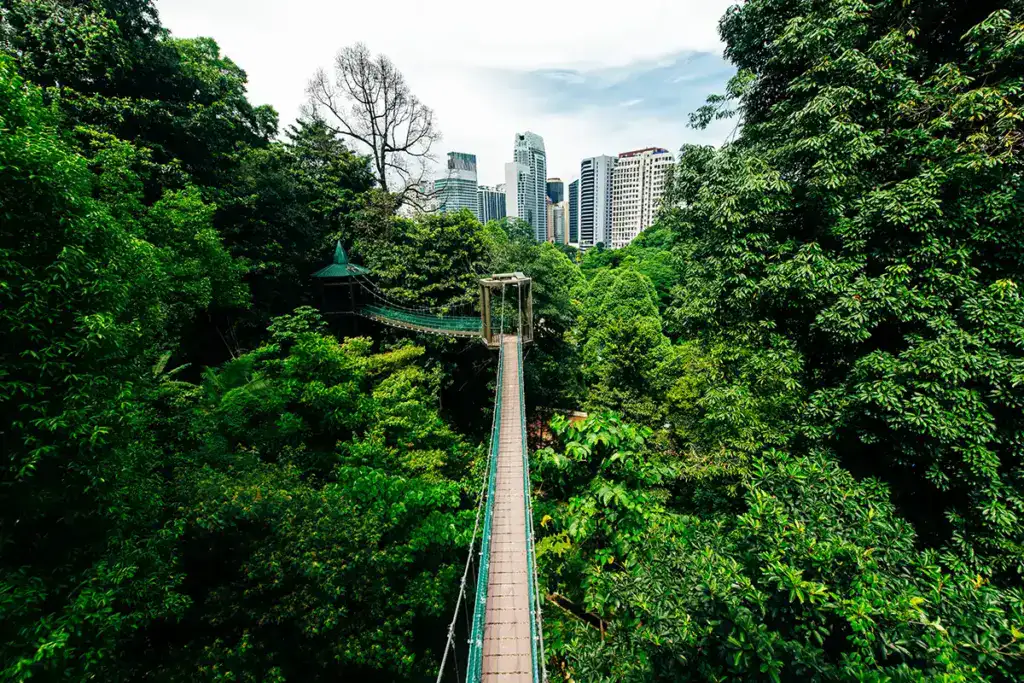
KL Forest Eco Park
KL Forest Eco Park is one of the oldest permanent forest reserves in Malaysia and sits within walking distance of KL Tower. Elevated canopy walkways allow visitors to experience a section of tropical rainforest without leaving the city centre. It is a compact but unique green attraction within central Kuala Lumpur.
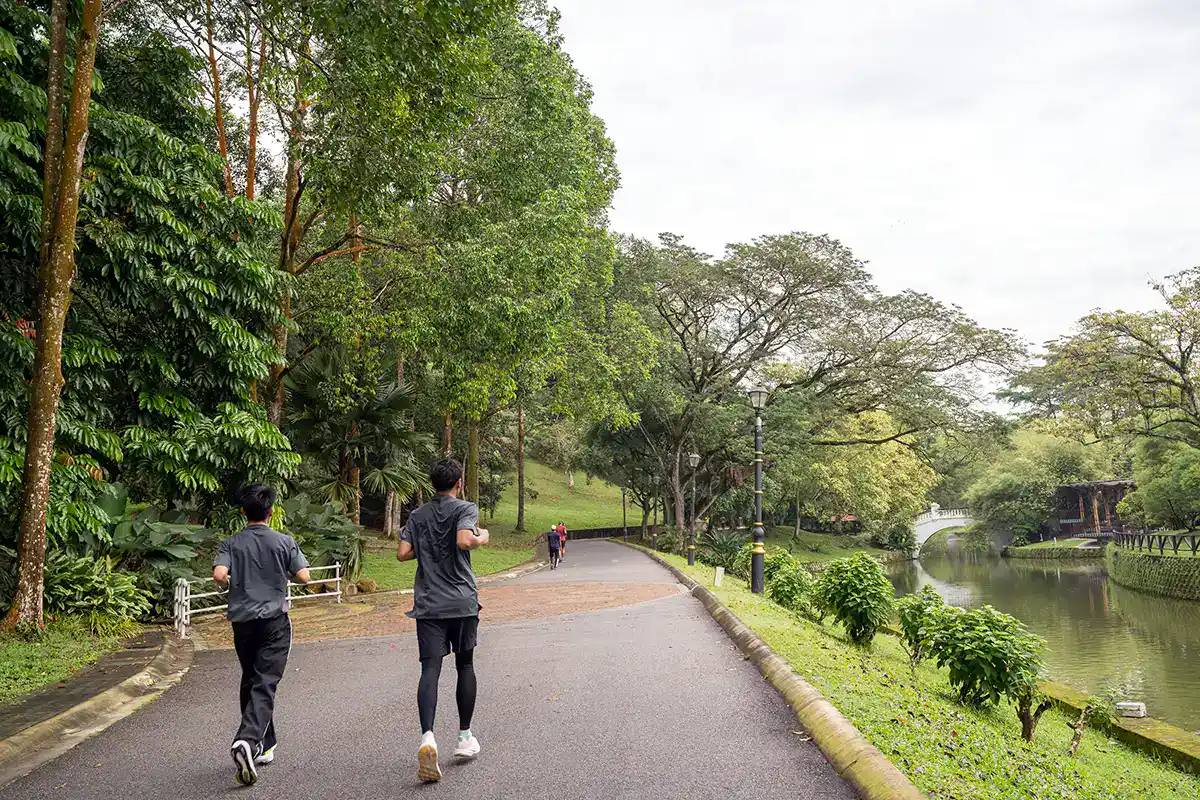
Perdana Botanical Garden
Located near the National Museum and several cultural institutions, Perdana Botanical Garden is the city’s largest public park. Landscaped gardens, walking trails and shaded open spaces make it ideal for slower-paced sightseeing. The surrounding Lake Gardens area also connects to attractions such as KL Bird Park and nearby museums.

KL Bird Park
KL Bird Park is one of the world’s largest covered walk-in aviaries and a popular stop for families. Visitors can observe a wide range of bird species in a semi-natural environment. Because it is located within the Lake Gardens area, it can easily be combined with nearby park visits and cultural sites.
Museums & Cultural Institutions in Kuala Lumpur
In addition to temples and historic districts, Kuala Lumpur offers several well-curated museums that provide deeper insight into Malaysia’s history, art and cultural development. These indoor attractions are especially useful during rainy afternoons or hot weather and are conveniently located near other major sites.
The following museums are among the most visited in the city.
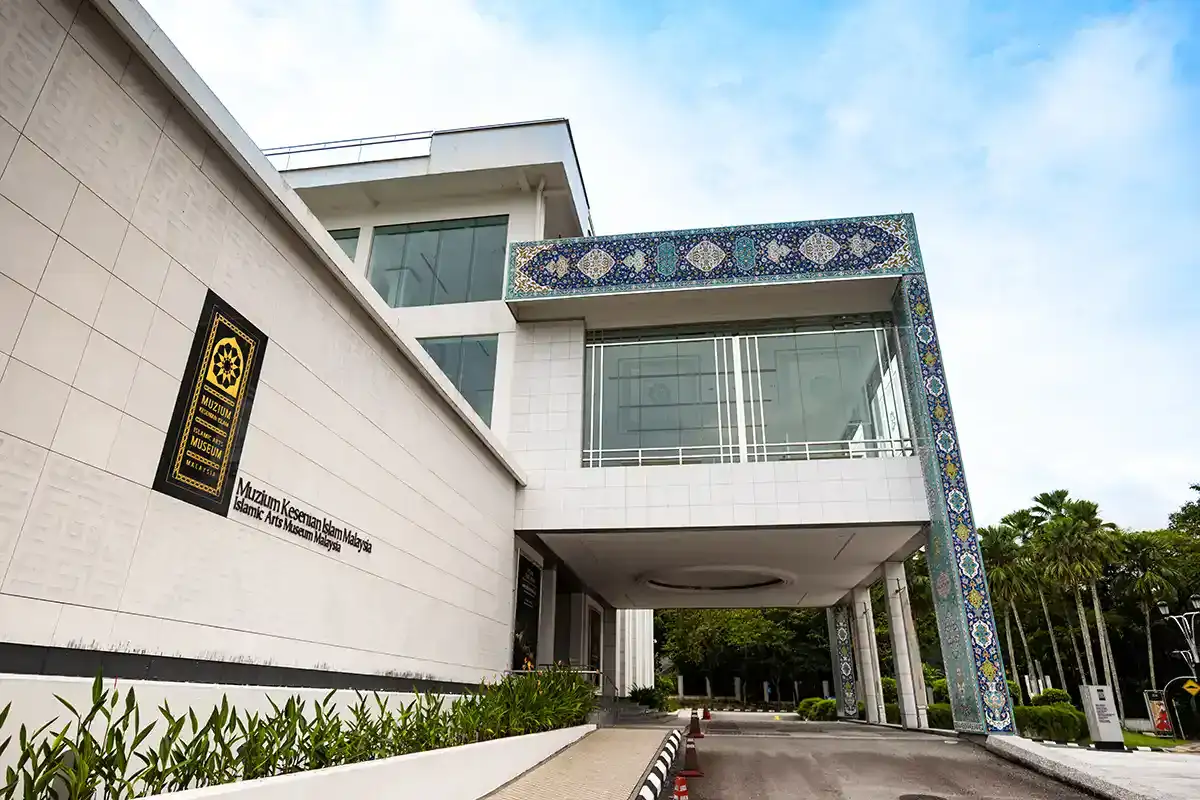
Islamic Arts Museum Malaysia
Located near the Lake Gardens, the Islamic Arts Museum Malaysia houses an extensive collection of Islamic decorative arts, manuscripts, textiles and architectural models. The museum’s bright galleries and domed architecture make it both educational and visually striking. It is often combined with visits to nearby parks and cultural institutions.
National Museum
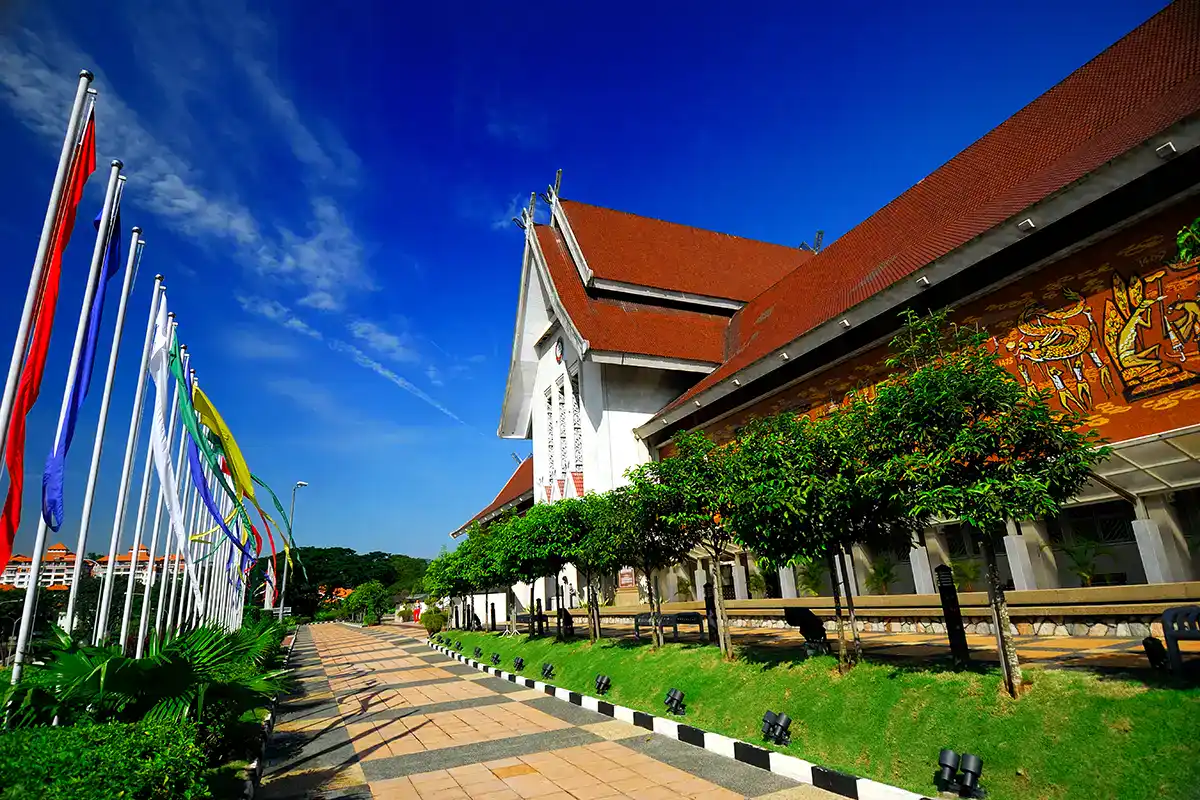
The National Museum offers a chronological overview of Malaysia’s history, from early civilisations through colonial rule to independence and modern development. Situated near the KL Sentral area and Lake Gardens, it provides helpful historical context before exploring other heritage attractions in the city.
Family-Friendly Attractions in Kuala Lumpur
Kuala Lumpur is generally easy to explore with children, especially in areas such as KLCC and the Lake Gardens. Many attractions offer indoor spaces, shaded walkways or stroller-friendly paths, making it possible to balance sightseeing with rest breaks.
The following attractions are particularly popular with families visiting Kuala Lumpur.

Aquaria KLCC
Located beneath Suria KLCC, Aquaria KLCC is a large indoor oceanarium featuring marine life exhibits and a glass tunnel walkway. Because it is fully air-conditioned and centrally located, it works well during hot afternoons and can easily be combined with other KLCC attractions.

Petrosains Discovery Centre
Petrosains, inside Suria KLCC, focuses on interactive science exhibits designed for children and teenagers. It provides an educational indoor option and is often included in half-day visits to the KLCC area.

KLCC Wading Pool & Playground
KLCC Park includes a public wading pool and playground area that gives younger children space to cool down and relax between sightseeing stops. Its central location makes it one of the most convenient free family attractions in Kuala Lumpur.
Berjaya Times Square Indoor Park
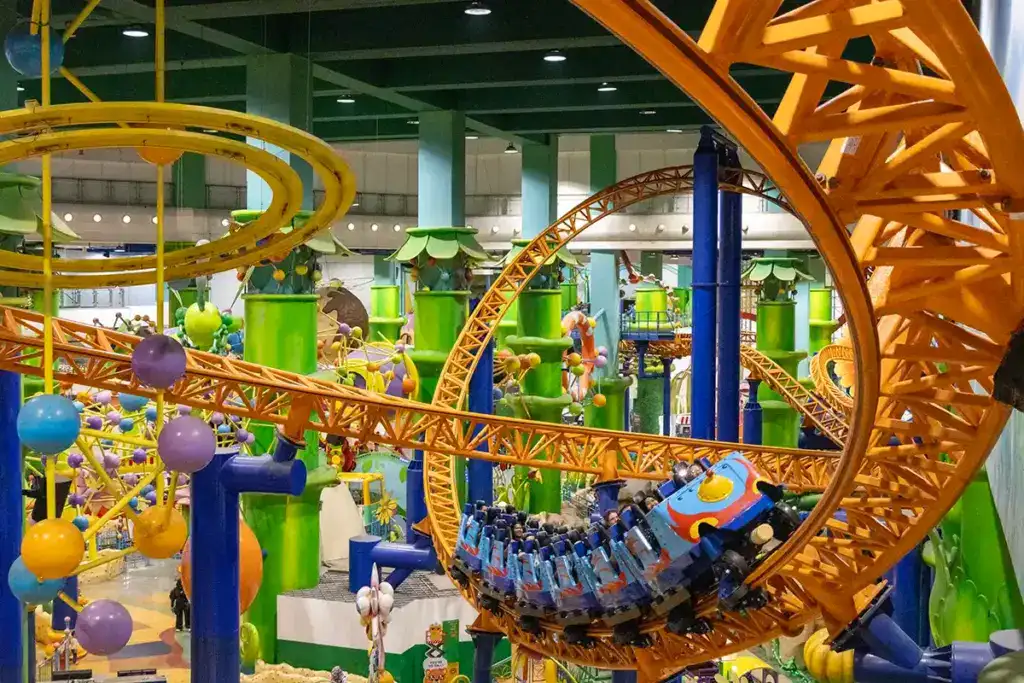
Located in Bukit Bintang, this indoor theme park features rides and entertainment within a large shopping complex. It offers an alternative indoor option for families staying near the city centre.
KL Bird Park
Situated within the Lake Gardens, KL Bird Park allows visitors to walk through open aviary sections and observe bird species at close range. It is often combined with nearby parks and museums for a slower-paced family-friendly itinerary.
KidZania Kuala Lumpur
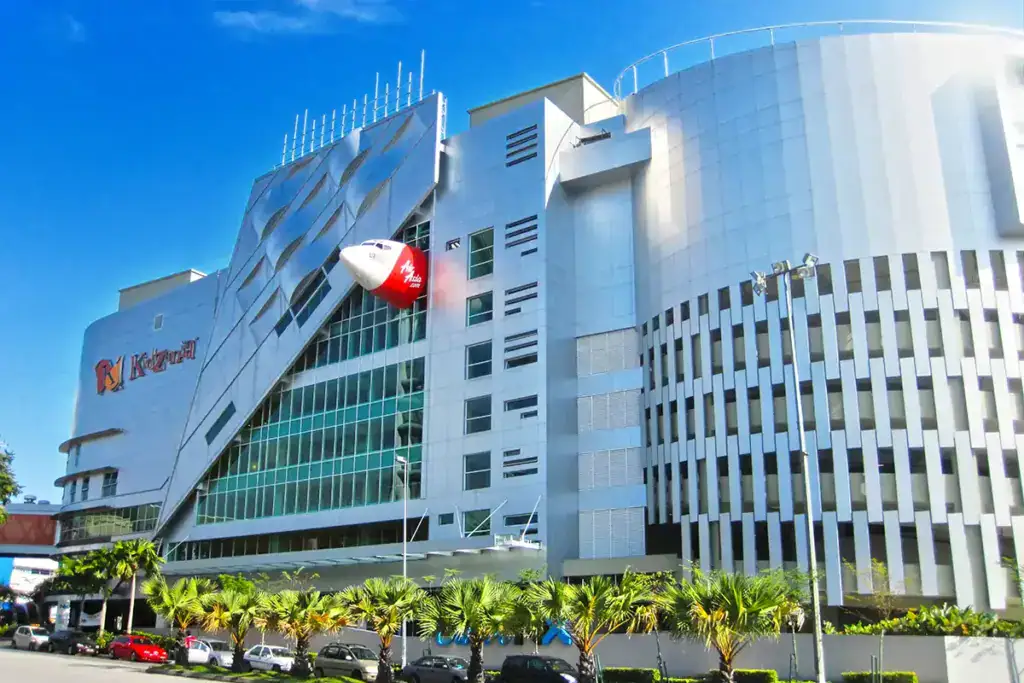
KidZania is an interactive indoor role-playing centre where children can experience simulated real-world professions in a safe environment. Located slightly outside the main city centre, it is popular with families seeking a structured, full indoor activity option.
Free Attractions in Kuala Lumpur
Kuala Lumpur is one of the more budget-friendly capital cities in Southeast Asia. Many of its most recognisable landmarks and cultural sites can be visited without paying an entrance fee. This makes it possible to plan a balanced sightseeing itinerary even on a limited budget.
Below are some of the most popular free attractions in Kuala Lumpur. Detailed descriptions can be found in the sections above.
Batu Caves
Entrance to the main temple cave is free, although visitors should be prepared for the steep staircase. It remains one of the most photographed cultural landmarks near the city.
KLCC Park
Located beside the Petronas Twin Towers, KLCC Park offers skyline views, walking paths and a public playground without any entrance fee. It is one of the easiest free stops to include in a KLCC itinerary.
Merdeka Square
Surrounded by historic colonial buildings, Merdeka Square can be explored freely and provides insight into Kuala Lumpur’s historical development.
Thean Hou Temple
Visitors can walk through the temple grounds and admire its architecture without an entrance charge. The elevated location also offers attractive city views.
China Town (Petaling Street)
Exploring Chinatown’s streets, markets and temples is free, making it a convenient stop for cultural sightseeing.
Masjid Jamek
The Masjid Jamek area, located near the confluence of the Klang and Gombak rivers, offers one of the city’s historic mosque settings and the revitalised River of Life waterfront. Visitors should observe appropriate dress codes when entering religious spaces.
Photography & Skyline Views in Kuala Lumpur
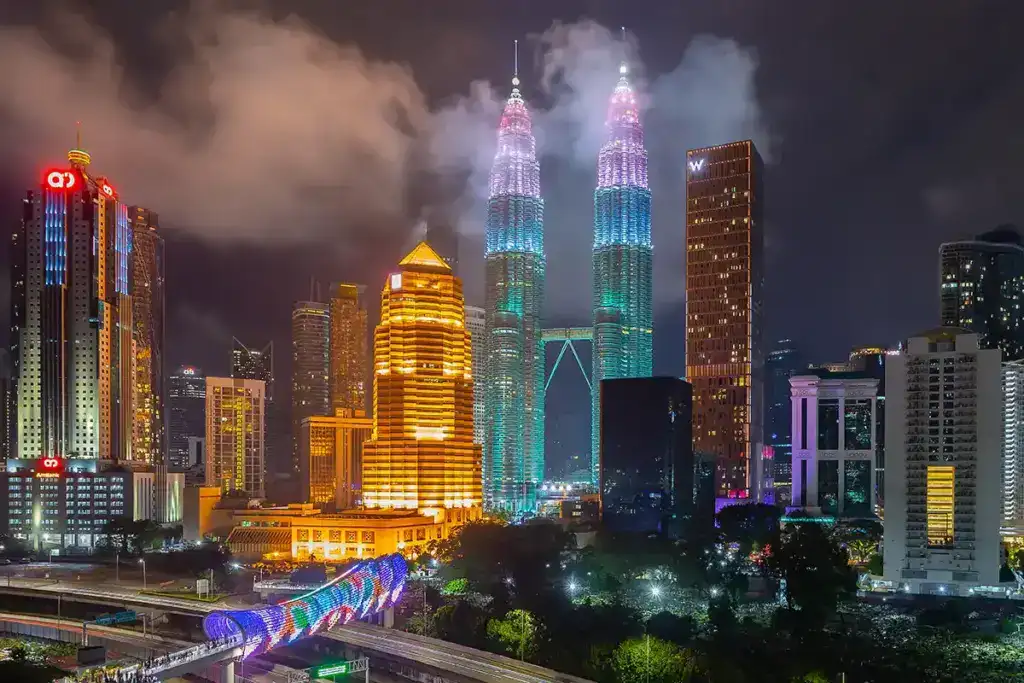
Many of Kuala Lumpur’s most iconic attractions double as excellent photography locations, especially around KLCC, Batu Caves and Merdeka Square. Skyline views, temple architecture and historic streets all provide distinct visual perspectives of the city.
For a detailed guide to the best angles, viewpoints and timing recommendations, see our dedicated guide to the best photo spots in Kuala Lumpur.
→ Read the full photography guide
How to Plan Your Visit to Kuala Lumpur’s Top Attractions
Kuala Lumpur’s attractions are organised into several distinct clusters, including KLCC, the heritage district and the Lake Gardens. Planning your visit by area rather than by attraction name makes sightseeing more efficient and reduces unnecessary backtracking across the city.
For first-time visitors, grouping landmarks by location helps balance indoor and outdoor sites while keeping travel time manageable.
How Many Days Do You Need?
Most travellers can see the main attractions in Kuala Lumpur within two to three days. One day typically focuses on the KLCC cluster and nearby landmarks. A second day can cover cultural districts such as Chinatown, Merdeka Square and Batu Caves. Additional days allow time for parks, museums or day trips beyond the city centre.
Best Time of Day to Visit Major Attractions
Morning is generally more comfortable for outdoor sites such as Batu Caves and Merdeka Square. Indoor attractions, including Aquaria KLCC and museums, work well during the hottest part of the afternoon. Evening is ideal for skyline views around KLCC and Bukit Bintang.
Grouping Attractions by Location
- KLCC Cluster: Petronas Twin Towers, KLCC Park, Aquaria, Saloma Bridge
- Heritage Cluster: Merdeka Square, Masjid Jamek, Chinatown
- Lake Gardens Cluster: Perdana Botanical Garden, KL Bird Park, museums
- Outside City Centre: Batu Caves
Planning by cluster allows visitors to see more while travelling less.
Visiting Multiple Attractions in One Day
Some travellers prefer combining several key landmarks into a structured day, particularly when time is limited. Grouping attractions within the same cluster is the most efficient approach, especially for layover visitors or cruise passengers with restricted schedules.
For example, many visitors combine Batu Caves with central landmarks such as the Petronas Twin Towers and Merdeka Square in a single itinerary. If you prefer not to coordinate transport between clusters yourself, a structured option such as the Batu Caves & Kuala Lumpur City Tour allows you to visit multiple major attractions efficiently within one day.
Transport Tips for Visiting Attractions in Kuala Lumpur
Some central areas, particularly KLCC and parts of Bukit Bintang, are walkable within a compact radius. Covered pedestrian paths make short distances comfortable.
However, travelling between clusters typically requires short transfers using the LRT, MRT or ride-hailing services. Batu Caves, located outside the city centre, is accessible via KTM Komuter train or private transport.
Peak-hour traffic can slow road journeys, so allowing buffer time between districts helps keep the day relaxed.
For a detailed breakdown of routes, ticketing and transport apps, see our full guide to getting around Kuala Lumpur.
Suggested Flow for First-Time Visitors
- Day 1: KLCC attractions and Kuala Lumpur main attractions such as Thean Hou temple, Little India and Chinatown.
- Day 2: Batu Caves and Kuala Selangor Fireflies
- Day 3: Museum and park in Kuala Lumpur
This combination offers a balanced mix of modern highlights, cultural experiences, history and outdoor spaces.