Places to Visit in Malaysia: A Guide for First Time Visitor
From Kuala Lumpur and Cameron Highlands to Penang, Taman Negara and the best islands — here is where to start planning.
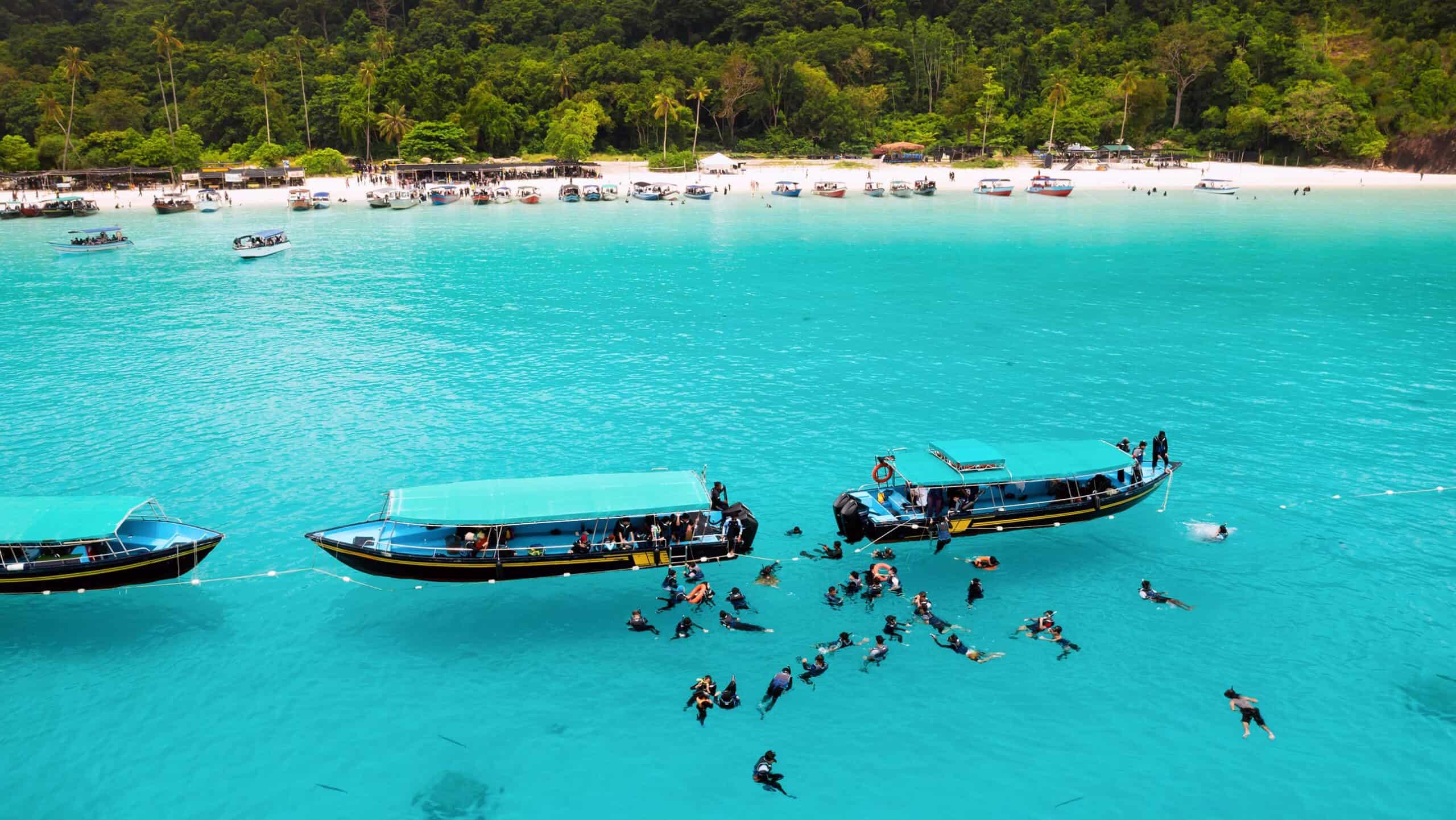
Malaysia is one of the most varied destinations in Southeast Asia, and deciding where to go is often the hardest part of planning a trip. This guide covers the main places to visit in Malaysia — cities, highlands, islands, rainforest parks, and wildlife destinations — so you can understand what each region offers before choosing where to spend your time.
Most first-time visitors arrive in Kuala Lumpur and use it as their base. From KL you can reach Cameron Highlands, Malacca, Taman Negara, Ipoh, and several island departure points without a domestic flight. For a broader picture of how travel works across the country — transport options, regional distances, and how to pace a trip — the Malaysia Travel Guide provides the practical context you need before committing to specific destinations. If you are looking for a curated shortlist rather than a full overview, our best places to visit in Malaysia guide ranks the top destinations by experience type.
This page focuses on the destinations themselves. It covers what each place offers, who it suits, and how it fits into a realistic Malaysia itinerary — whether you have five days or two weeks.
Top Places to Visit in Malaysia for First-Time Visitors
Malaysia rewards travellers who choose a small number of destinations and explore them properly rather than rushing between too many places. The destinations below represent the best starting point for a first visit — each one accessible from Kuala Lumpur, distinct in what it offers, and practical to include in a one to two week itinerary. Travellers with an interest in rainforest and wildlife can also refer to our guide to the national parks in Malaysia, which covers the country’s most accessible nature reserves. For destinations specifically within Peninsular Malaysia, see our places to visit in Peninsular Malaysia guide.

Kuala Lumpur
Kuala Lumpur is Malaysia’s capital and the arrival point for most international visitors. The city offers a dense mix of modern architecture, street food, cultural neighbourhoods, and easily accessible day trips. The Petronas Twin Towers, Chinatown, Brickfields, and Kampung Baru each reflect a different side of the city. Most tourists base themselves in KL for the first part of their trip and use it as a hub to reach nearby destinations. For a full breakdown of what to see and do, visit our Kuala Lumpur destination guide.

Penang
Penang is Malaysia’s most celebrated food and heritage destination. George Town — a UNESCO World Heritage city — is known for its preserved shophouses, street murals, Chinese temples, and hawker food culture that draws visitors from across the world. The island is compact enough to explore in two to three days and pairs naturally with a stop in Ipoh when travelling between KL and Penang by road. For everything you need to plan your visit, see our Penang destination guide.
Ipoh
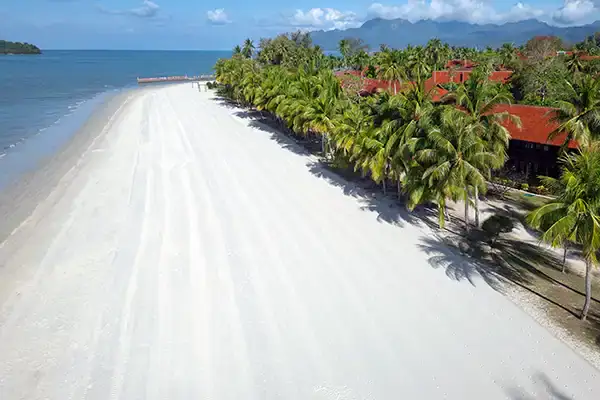
Ipoh is a mid-sized city in Perak known for its old town coffee shops, cave temples, and relaxed pace. It sits roughly halfway between Kuala Lumpur and Penang, making it a natural stopover on a north-bound route. The cave temples — Sam Poh Tong and Perak Tong — are among the most impressive in Malaysia and require an early start to visit comfortably. Ipoh’s white coffee and bean sprout chicken are nationally recognised dishes that food-focused travellers make the trip specifically for. See our Ipoh destination guide for a full planning breakdown.
Malacca
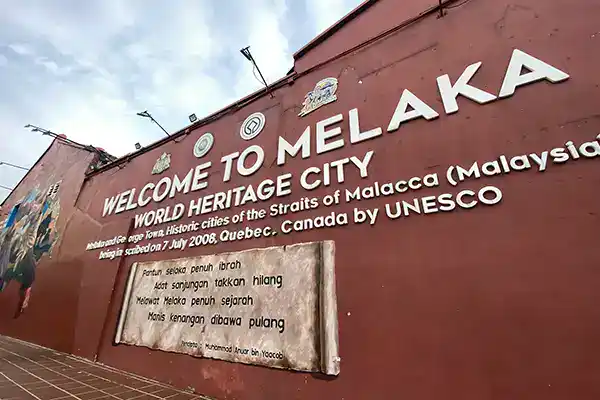
Malacca is a UNESCO-listed heritage city with one of the most compact and walkable historic centres in Southeast Asia. Portuguese, Dutch, and British colonial layers sit alongside Chinese temples, Baba-Nyonya shophouses, and the busy Jonker Street night market. It is accessible from Kuala Lumpur in under two hours by road, making it one of the most practical day trips or overnight stops from the capital. For trip planning detail and tour options, visit our Malacca destination guide.
Cameron Highlands
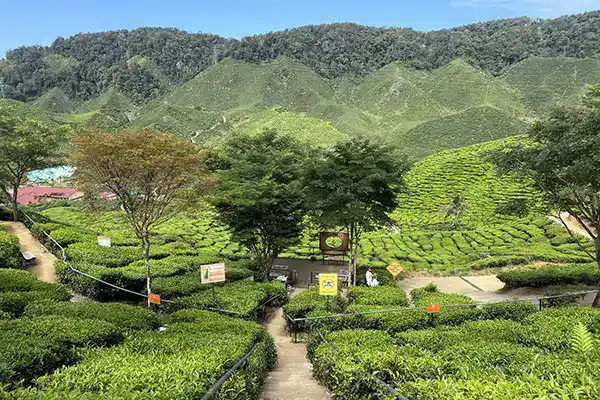
Cameron Highlands is Malaysia’s most visited highland destination, sitting at around 1,500 metres above sea level in the Titiwangsa Range. The cooler climate, tea plantations, and strawberry farms offer a sharp contrast to the heat of KL and the coast. The BOH Sungei Palas Tea Centre is the most visited attraction — a working tea estate with views across the valley that most visitors cite as a highlight of their Malaysia trip. Cameron Highlands is reachable from KL in approximately 3.5 hours by road. See our Cameron Highlands destination guide or explore Cameron Highlands day tour options from KL.
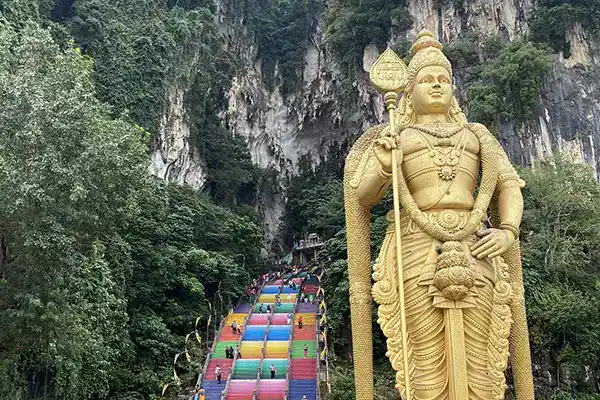
Batu caves
Batu Caves is a Hindu temple complex built inside a series of limestone caverns 13 kilometres north of Kuala Lumpur. It is one of the most important Hindu shrines outside India and one of the most visited sites in Malaysia. The Cathedral Cave at the top of 272 rainbow-painted steps houses several temples and shrines that have been active for over 130 years. Despite its popularity with tourists, Batu Caves is a functioning place of worship — not a tourist attraction built for visitors. It can be reached from KL by commuter rail in under 30 minutes. For a complete visitor guide, see our Batu Caves guide.
nature destinations & National Parks
Malaysia has some of the oldest rainforest in the world, and its national parks and nature destinations are among the most rewarding experiences the country offers. Most are accessible from Kuala Lumpur without a domestic flight, making them a practical addition to any Peninsular Malaysia itinerary. For a full overview of protected areas across the country, see our guide to national parks in Malaysia.
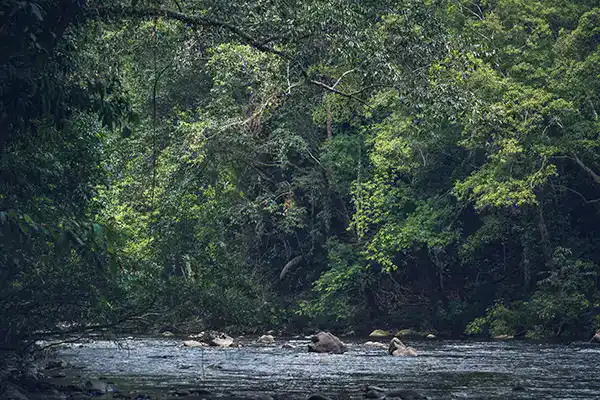
Taman Negara National Park
Taman Negara is one of the oldest rainforests in the world, estimated at over 130 million years old. The park covers more than 4,300 square kilometres across three states, with the main visitor access point at Kuala Tahan in Pahang. Activities include jungle trekking, canopy walkway access, rapid shooting by boat, and visits to Orang Asli communities. Getting there from KL involves a bus to Jerantut followed by a river boat from Kuala Tembeling — a journey that is part of the experience. For full planning detail, see our Taman Negara National Park. For the full breakdown of how to get there from KL, see our Kuala Lumpur to Taman Negara guide.

kuala selangor
Kuala Selangor is a small coastal town an hour northwest of Kuala Lumpur, best known for its firefly colonies along the Selangor River. The firefly boat tour at Kampung Kuantan is one of the most popular evening experiences in Malaysia — thousands of fireflies synchronise their light displays in the riverside mangroves after dark. The town also has Bukit Melawati, a hilltop fort with silver leaf monkeys, and Pasir Penambang for fresh seafood. For everything you need to plan a visit, see our Kuala Selangor guide.
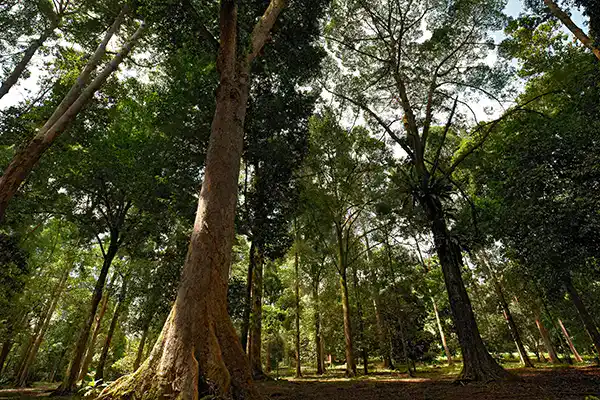
forest Research Institute Malaysia
FRIM is a 600-hectare forest reserve in Kepong, 16 kilometres northwest of Kuala Lumpur city centre. It offers one of the most accessible forest experiences near KL — a canopy walkway, well-marked jungle trails, and a waterfall that most visitors can reach within a 45-minute walk. It suits travellers who want a nature experience without the full-day commitment of Taman Negara. Entry fees are low and the site is reachable by e-hailing from central KL in under 30 minutes.
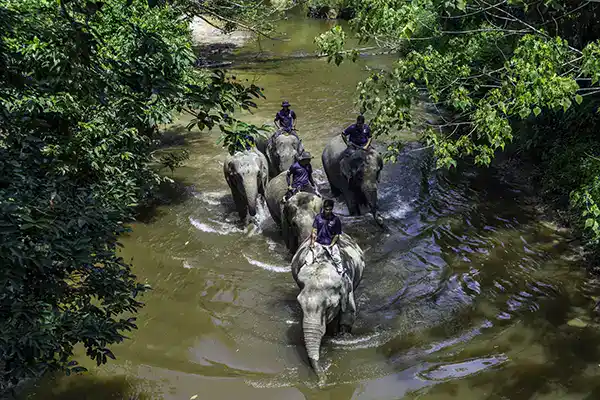
kuala Gandah Elephant Sanctuary
Kuala Gandah is Malaysia’s national elephant relocation centre in Pahang, managed by the Department of Wildlife and National Parks. It is the only place in Malaysia where visitors can interact directly with Sumatran elephants in a conservation setting. The sanctuary runs structured visit sessions with education tours and a bathing experience where visitors enter the river alongside the elephants. It sits on the route between Kuala Lumpur and Taman Negara, making it a practical add-on for visitors heading to the national park. See our Kuala Gandah Elephant Sanctuary guide for fees, timings, and how to visit.
Island Destinations in Malaysia
Malaysia has islands on both its east and west coasts, and the distinction matters for trip planning. East coast islands — including the Perhentians, Redang, and Tioman — have the clearest water and best diving conditions but close between November and February due to the northeast monsoon. West coast islands — including Pangkor and Langkawi — are accessible year-round. For a full breakdown of every major island by season and experience type, see our islands in Malaysia guide.
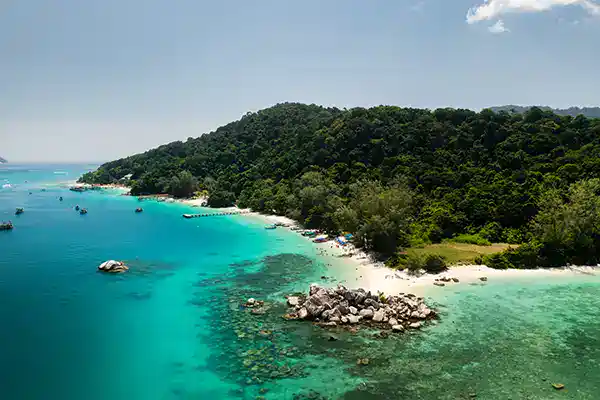
PERHENTIAN ISLANDS
The Perhentian Islands are two small islands off the coast of Terengganu, known for clear shallow water, coral reefs, and a relaxed pace that suits both budget travellers and divers. Perhentian Kecil is the quieter, more backpacker-oriented island while Perhentian Besar has more comfortable resort accommodation. Sea turtles are commonly sighted around the reefs between May and September. The islands are accessible by ferry from Kuala Besut jetty. Open May to October — closed during the northeast monsoon from November to February.
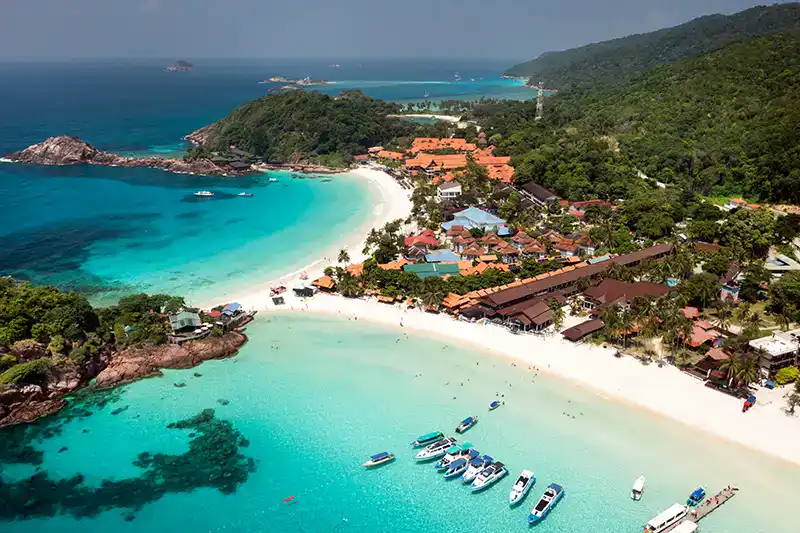
REDANG ISLANDS
Redang is one of Malaysia’s most photographed islands, known for its powdery white sand beaches and exceptionally clear water. It sits off the coast of Terengganu and is predominantly a resort island — most visitors stay in beachfront packages that include meals and snorkelling trips. The coral reefs around Marine Park Redang are well preserved and suitable for both snorkellers and beginner divers. Redang is accessible by ferry from Merang or Shahbandar jetty. Open March to October — closed during the northeast monsoon.
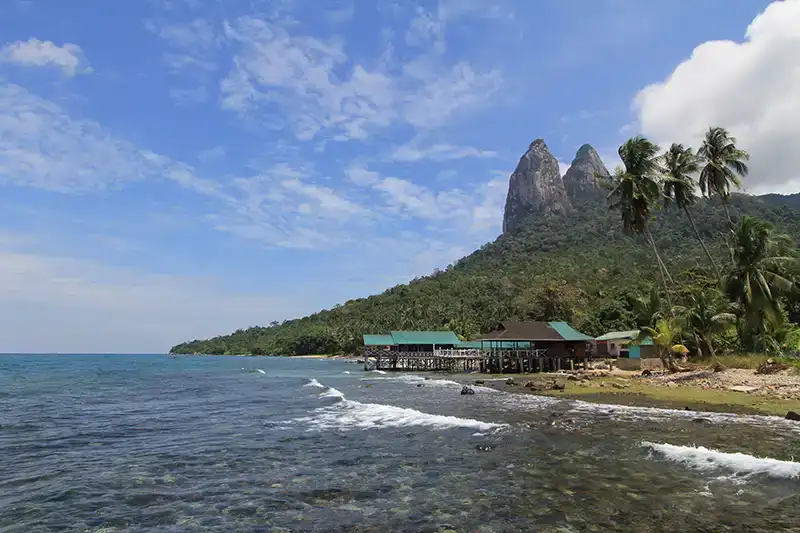
TIOMAN ISLAND
Tioman is a large volcanic island off the coast of Pahang, surrounded by coral reefs and covered in dense rainforest. It is one of the best diving destinations in Peninsular Malaysia, with several dive sites accessible directly from the beach. Unlike the more resort-oriented east coast islands, Tioman has a mix of small kampung villages, jungle trails, and waterfalls that reward travellers who stay longer than a weekend. The main access point is Mersing Jetty in Johor, reachable from Kuala Lumpur in approximately three hours by road. For transport and planning detail, see our Tioman Island guide.
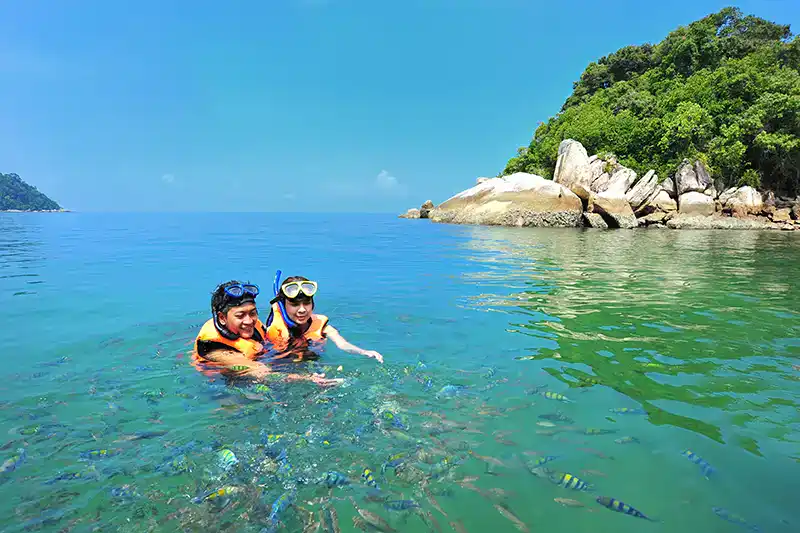
PANGKOR ISLAND
Pangkor is a small island off the coast of Perak on Malaysia’s west coast, reachable by ferry from Lumut Jetty. It is quieter and less developed than the east coast islands, with calm beaches, fishing villages, and a relaxed pace that suits families and travellers looking for a straightforward island break without long travel times. Being on the west coast, Pangkor is accessible year-round and is not affected by the northeast monsoon. From Kuala Lumpur, Lumut Jetty is approximately two and a half hours by road. For transport and planning detail, see our Pangkor Island guide.
East Malaysia: Sabah and Sarawak
East Malaysia covers the states of Sabah and Sarawak on the island of Borneo, and it operates as a separate trip from Peninsular Malaysia. Visiting East Malaysia requires a domestic flight from Kuala Lumpur — typically one to two hours depending on the destination. Most first-time visitors focus on Peninsular Malaysia and add East Malaysia on a return trip or as a dedicated extension. For travellers with two weeks or more, Sabah and Sarawak offer some of the most remarkable natural experiences in Southeast Asia.
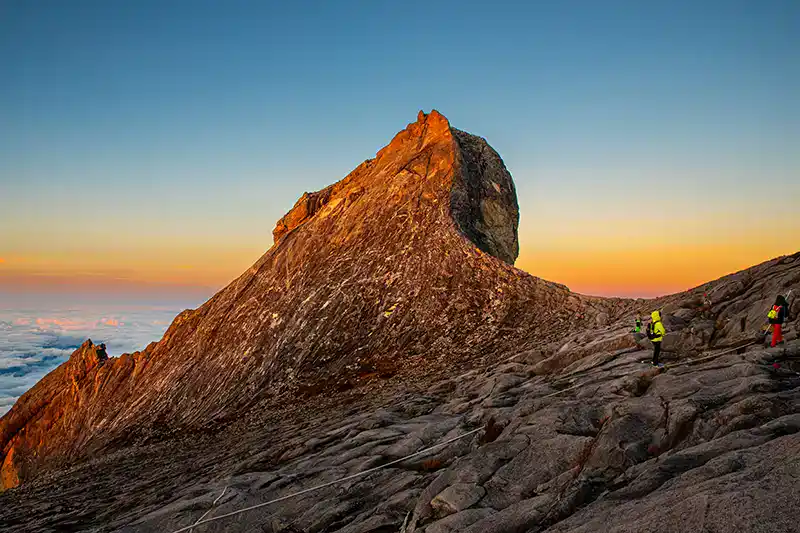
Mount Kinabalu and Kinabalu Park
Mount Kinabalu is the highest peak in Southeast Asia at 4,095 metres and sits within Kinabalu Park — a UNESCO World Heritage Site in Sabah. The park is home to an extraordinary concentration of plant species including over 600 orchid varieties and the Rafflesia, the world’s largest flower. The summit climb is a two-day guided trek requiring advance permit booking, but the park itself rewards visitors who come simply to walk the forest trails at lower elevations. Kota Kinabalu city is the main gateway, reachable from KL by domestic flight in under two hours.
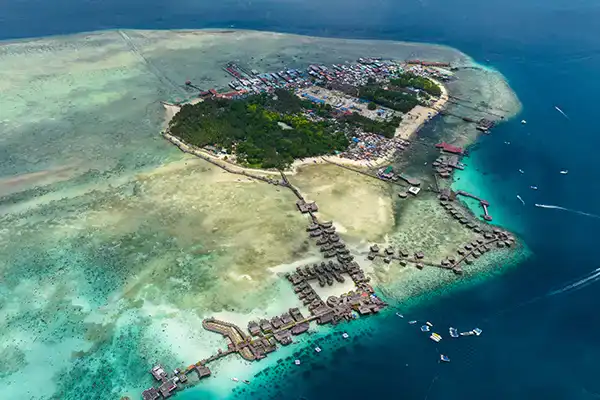
Mabul Island
Mabul Island is a small island off the east coast of Sabah, widely regarded as one of the best muck diving destinations in the world. It sits close to Sipadan — Malaysia’s only oceanic island and a top-ranked dive site globally — which requires a permit to dive and is accessed as a day trip from Mabul. Most visitors stay on Mabul specifically to dive Sipadan. Non-divers will find limited reason to visit. Mabul is accessible by speedboat from Semporna on the Sabah east coast, which is reachable from Kota Kinabalu by domestic flight or road.
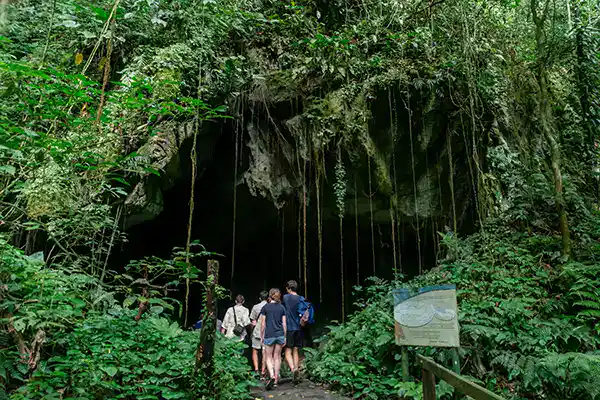
Gunung Mulu National Park
Gunung Mulu National Park is a UNESCO World Heritage Site in Sarawak, known for its extraordinary cave systems and dense primary rainforest. The Sarawak Chamber — the world’s largest cave chamber by area — is located here, along with the Deer Cave and Lang Cave which are accessible on guided tours. The Pinnacles trek on Mount Api is one of the most challenging and rewarding multi-day hikes in Malaysia. Mulu is accessible only by small aircraft from Miri or Kota Kinabalu — there is no road access — making it a dedicated destination rather than a casual add-on.

Bako National Park
Bako National Park is the oldest national park in Sarawak, located 37 kilometres from Kuching city. It is the most reliable place in Malaysia to see proboscis monkeys in the wild — a species found only on Borneo — along with silvered langurs, long-tailed macaques, monitor lizards, and wild boar. The park covers a small peninsula of coastal rainforest with well-marked trails ranging from short walks to full-day hikes. Access is by road to Bako village followed by a 20-minute boat ride. Kuching is reachable from KL by domestic flight in under two hours.
Places to Visit in Malaysia by Travel Style
Not every destination suits every traveller. The categories below group Malaysia’s top places to visit by what they do best — so you can match destinations to your interests rather than working through a generic list.
Best for Food Lovers
- Penang — George Town’s hawker culture is the most celebrated food scene in Malaysia; char kway teow, assam laksa, and cendol are the benchmarks
- Ipoh — white coffee, bean sprout chicken, and dim sum in a compact old town setting that rewards a half-day food walk
- Kuala Lumpur — the widest variety of Malaysian, Chinese, Indian, and international food in the country; Jalan Alor, Chinatown, and Brickfields cover most bases in one city
- Malacca — Peranakan / Baba-Nyonya cuisine is unique to this region; Jonker Street is the most concentrated food strip for local specialities
- Kota Kinabalu — the Filipino Market and waterfront seafood stalls offer a distinctly different food experience from Peninsular Malaysia
Best for Nature and Wildlife
- Taman Negara — oldest rainforest in the world; jungle trekking, river travel, and Orang Asli culture in one destination
- Kuala Gandah — the only place in Malaysia to interact with Sumatran elephants in a conservation setting
- Kuala Selangor — firefly colonies along the Selangor River; one of the most accessible wildlife experiences from KL
- Kinabalu Park — UNESCO World Heritage Site with the highest concentration of plant species in the world
- Bako National Park — most reliable location in Malaysia to see proboscis monkeys in the wild
Best for Culture and History
- Malacca — Portuguese, Dutch, and British colonial history layered alongside Chinese Peranakan culture; UNESCO listed
- George Town, Penang — the most intact collection of pre-war shophouses in Southeast Asia; UNESCO listed alongside Malacca
- Kuala Lumpur — Batu Caves, Thean Hou Temple, Sri Mahamariamman Temple, and the Islamic Arts Museum within the same city
- Ipoh — Perak’s colonial architecture, cave temples, and old town coffee shop culture reflect a quieter chapter of Malaysian history
- Sarawak — longhouse communities and the Iban, Bidayuh, and Orang Ulu cultures offer a cultural experience found nowhere else in Malaysia
Best for Adventure and Outdoor Activities
- Mount Kinabalu — the most challenging and rewarding trek in Malaysia; summit permit required and books out months in advance
- Tioman Island — diving, jungle trails, and waterfalls accessible from the same base
- Taman Negara — rapid shooting, night jungle walks, and multi-day forest treks
- Gunung Mulu — the Pinnacles trek is one of the most demanding multi-day hikes in Southeast Asia
- Cameron Highlands — jungle trails, mossy forest walks, and the BOH tea estate for travellers who want nature without extreme exertion