Islands in Malaysia – Choosing the Right Region for Your Island Escape

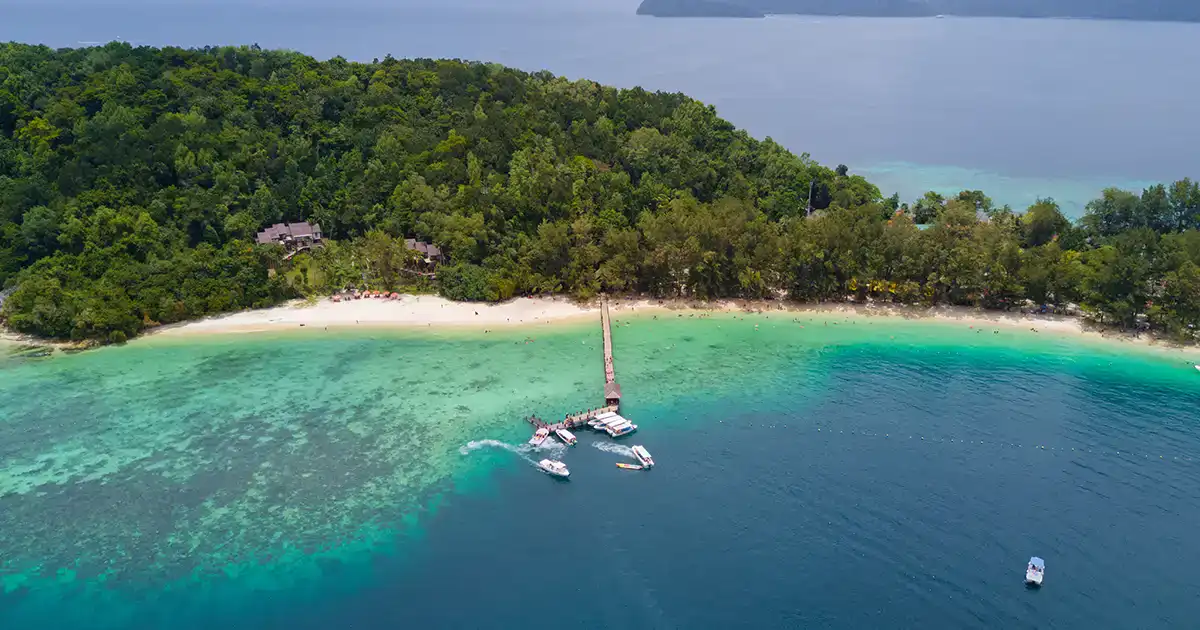
Malaysia’s islands are spread across different coastlines and regions, and each area offers a noticeably different kind of island experience. Rather than a single, uniform “island holiday,” Malaysia presents a range of options shaped by geography, seasonality, and travel style — from calm, nature-focused escapes to more accessible islands with a broader mix of experiences.
This page is designed to help you decide which part of Malaysia to focus on when planning an island trip. By understanding how the East Coast, West Coast, and East Malaysia (Borneo) differ in atmosphere, accessibility, and seasonal patterns, it becomes much easier to choose a direction before narrowing your plans to individual islands or fitting island time into a wider Malaysia journey. If you’re still at an early planning stage, the Malaysia Travel Guide provides a broader overview of how different regions of the country fit together.
East Coast Islands of Malaysia
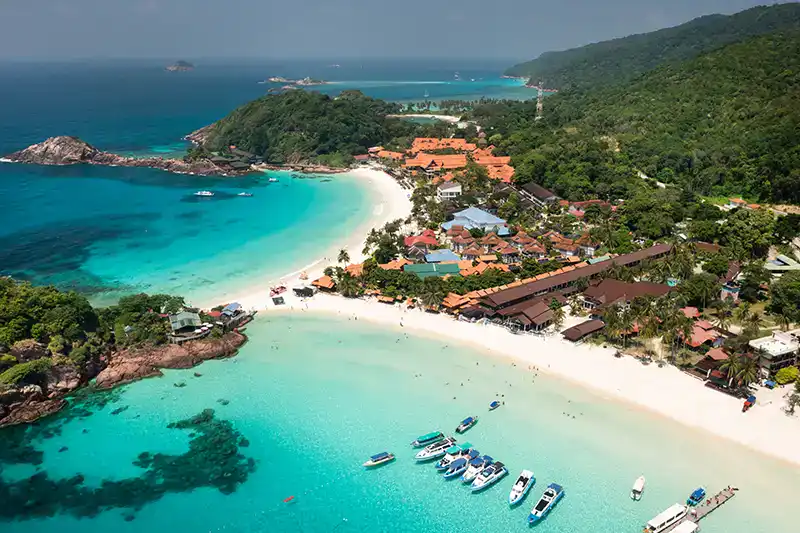
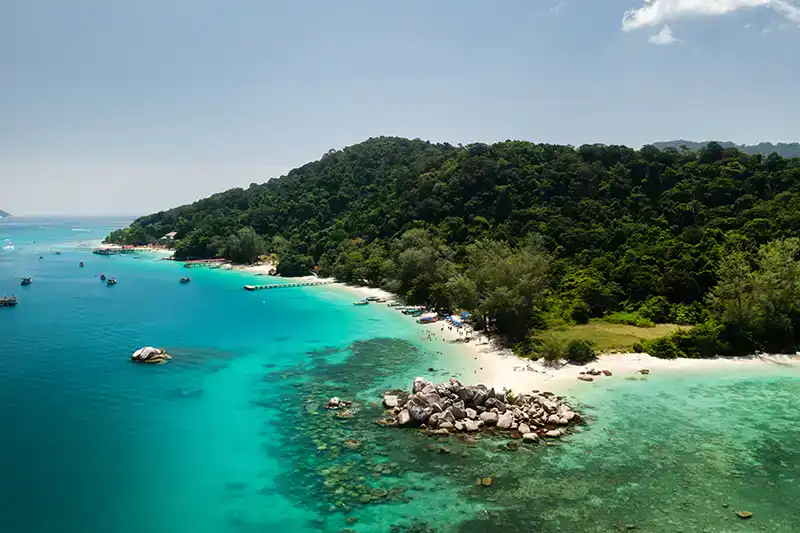
The East Coast islands of Malaysia are strongly shaped by seasonal conditions, which play a central role in how and when people visit. Travel here tends to follow a clear rhythm: calmer seas and clearer water define the main travel period, while rougher conditions naturally slow things down outside that window. This seasonal pattern keeps the experience focused and relatively uncluttered.
In terms of pace and atmosphere, the East Coast feels noticeably slower and more nature-led than other island regions. Days tend to revolve around the sea, the shoreline, and the surrounding environment rather than packed schedules or variety. Even during the busier months, the overall mood remains relaxed and unhurried.
The travel style here suits travellers who are comfortable with a simpler, more single-purpose island stay. The experience is less about moving between many different activities and more about settling into one place and enjoying it at an easy pace. This naturally attracts visitors who value calm surroundings over convenience or flexibility.
Who This Region Suits
The East Coast islands are a good fit for travellers who:
- Prefer a *quiet, low-key island atmosphere
- Enjoy trips shaped by nature rather than schedules
- Are comfortable planning around seasonal conditions
- Want an island experience that feels focused and uncommercial
Destinations such as Perhentian, Redang, and Tioman are often associated with this region, but the defining feature is not any single island — it’s the overall rhythm and character of the East Coast itself.
West Coast Islands of Malaysia
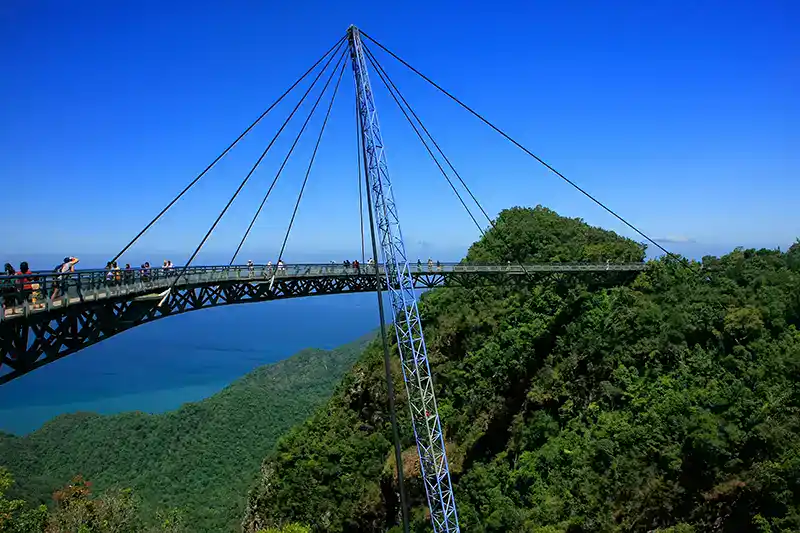

The West Coast islands of Malaysia offer a noticeably different island experience, shaped by ease of access and flexibility rather than strict seasonality. Conditions here tend to be more consistent throughout the year, allowing travellers to plan with fewer constraints and less dependence on narrow travel windows.
The pace and atmosphere on the West Coast are more varied. Some areas feel relaxed and beach-oriented, while others blend island scenery with cultural, urban, or resort-style elements. This mix creates a more adaptable environment where travellers can adjust their plans as they go, rather than committing to a single rhythm or focus.
In terms of travel style, these islands tend to suit travellers who value ease and flexibility, especially when planning shorter stays or combining island time with inland destinations. Island time can be mixed comfortably with light exploration and everyday conveniences, making the experience feel less isolated than in more seasonal or remote regions.
Who This Region Suits
The West Coast islands are well suited to travellers who:
- Value convenience and straightforward planning
- Prefer a flexible pace rather than a fixed island routine
- Enjoy combining beach time with other experiences
- Want an island stay that feels comfortable and adaptable
Islands such as Langkawi and Penang are commonly associated with this region, but what defines the West Coast is its ease and versatility rather than any single destination.
East Malaysia (Borneo) Islands
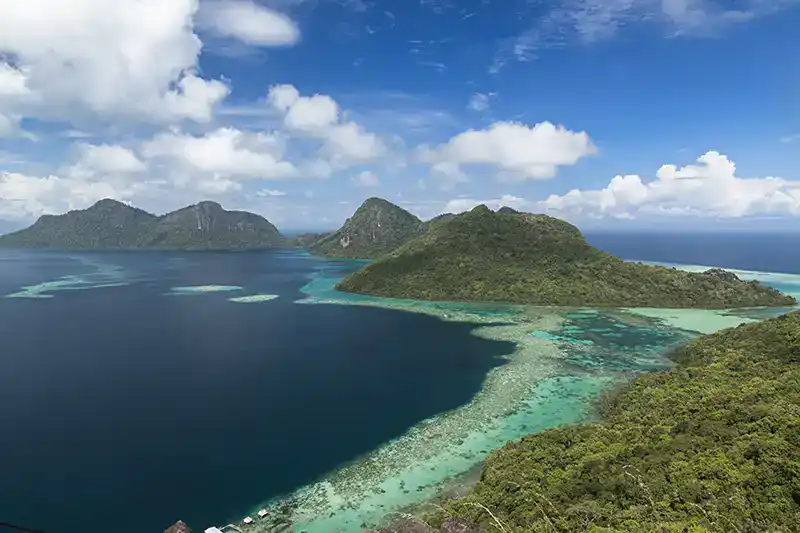
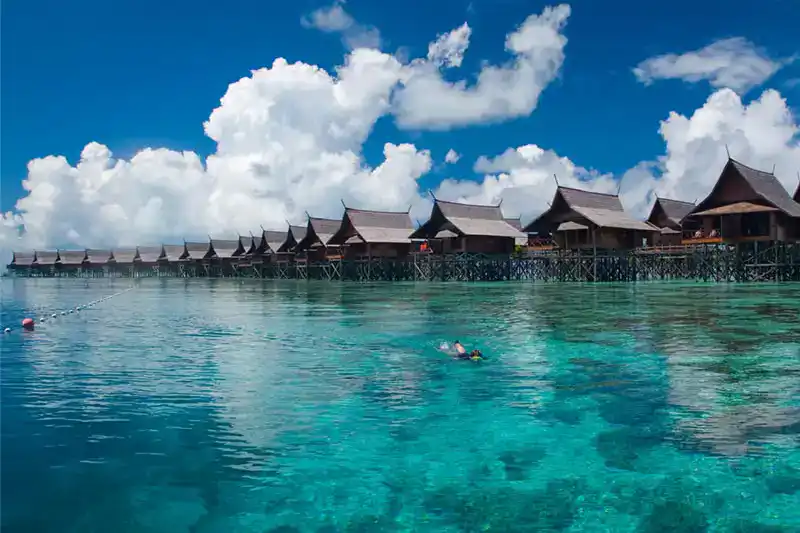
The islands of East Malaysia, located off the coast of Borneo, offer the most remote and nature-driven island experiences in the country. Distance and geography play a bigger role here, shaping trips that feel more deliberate and immersive from the outset. This sense of separation is part of what defines the region.
In terms of atmosphere, these islands feel quieter and more elemental. Daily life tends to revolve around the sea and the surrounding environment rather than variety or convenience. The setting encourages a slower, more observant pace, where the experience itself takes priority over ticking off highlights.
The travel style in East Malaysia is best described as experience-led. Journeys here are often planned around immersion in marine and natural environments rather than flexibility or ease. Travellers usually come with a clear intention to spend time close to the water and nature, accepting that access and movement may be less straightforward than in other regions.
Who This Region Suits
East Malaysia’s islands are a strong match for travellers who:
- Are drawn to remote and less-developed settings
- Prioritise nature and marine environments
- Prefer depth of experience over convenience
- Enjoy trips where the journey feels like part of the experience
What distinguishes this region is not a single island, but the overall sense of distance, focus, and connection to the natural world that defines island travel in East Malaysia.
How to Choose the Right Island Region
Choosing the right island experience in Malaysia is less about finding a single “best” island and more about understanding how each region feels. The country’s island regions differ in pace, accessibility, and overall character, and these differences naturally shape the kind of trip you’ll have.
If you’re drawn to quiet surroundings and a slower rhythm, regions where travel is shaped by seasonal conditions tend to feel more focused and calm. These areas suit travellers who are comfortable planning around nature and prefer an island stay that centres on simplicity rather than variety.
If ease and flexibility matter more, regions with consistent access and a broader mix of experiences often feel more comfortable. These islands allow you to balance beach time with light exploration and adjust your plans without committing fully to a fixed routine.
For travellers seeking immersion and distance from the familiar, more remote regions offer a deeper connection to natural and marine environments. These trips tend to be more intentional, with the experience itself taking priority over convenience.
A helpful way to decide is to think about what matters most to you:
- Pace: slow and focused, balanced and flexible, or immersive and experience-led
- Effort: minimal planning versus a more deliberate journey
- Setting: comfort-oriented environments or nature-driven surroundings
Once you’ve chosen your island, the next step is understanding how to get there from Kuala Lumpur or other cities. This often involves combining different transport options, which is explained in our guide to getting around Malaysia.
Where to Go Next
If you’re still shaping your overall trip, stepping back to a broader overview can help put island travel into context. The Malaysia Travel Guide offers a country-wide perspective, showing how islands fit alongside cities, highlands, and nature-based destinations across Malaysia.
If you’re comparing islands with other types of places to visit, the Places to Visit in Malaysia overview provides a wider look at the different experiences available throughout the country, beyond island travel alone.
Once you’ve identified the island region that suits you best, you can explore individual destinations in more detail through dedicated island guides. These destination pages focus on specific islands such as Langkawi, Perhentian Islands, and other island groups. If you’re thinking about how island time fits into a broader route, the Malaysia Itinerary – How to Plan Your Trip by Days & Regions page shows how different regions are commonly combined.